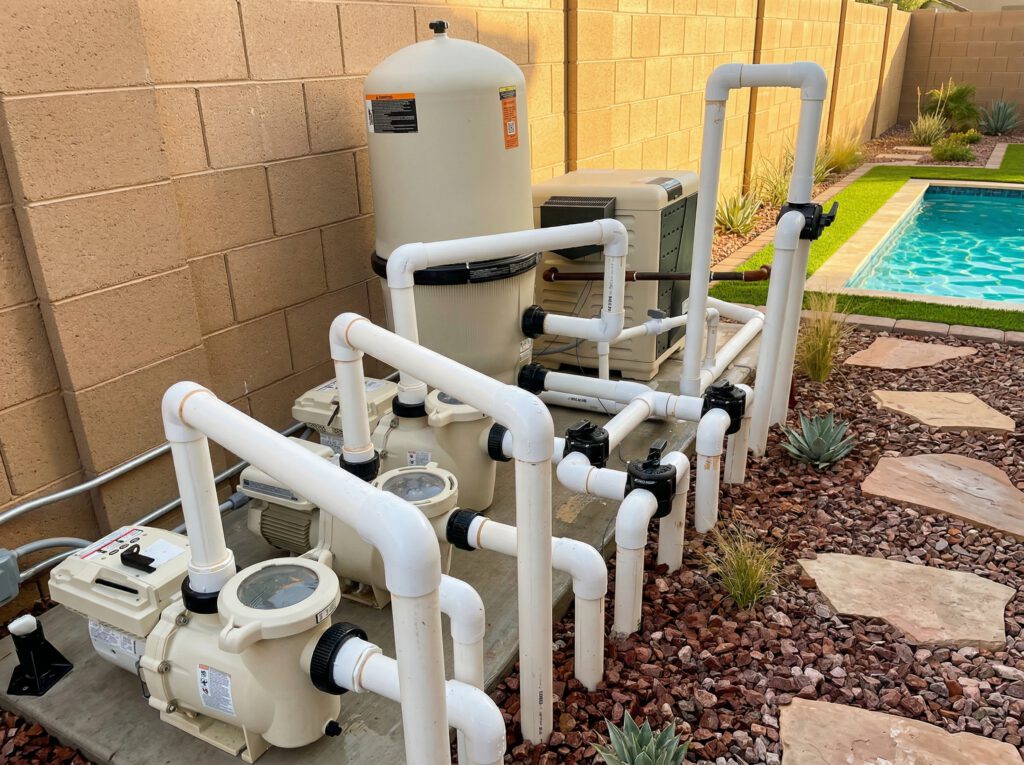
When pool equipment is noisy, leaking, losing circulation, tripping off, or simply not operating the way it normally does, the visible symptom is only the beginning of the diagnosis. A pump that will not stay primed can be affected by more than one part of the system. Weak return flow can involve the pump, filter, valves, baskets, water level, or a restriction. Montana Pool Services begins pool equipment repair in Yuma with an onsite assessment so the estimate is connected to the problem we can actually observe.
The assessment starts with your description. Tell us what changed, when you first noticed it, whether the problem is constant or intermittent, and whether the equipment makes a new sound or shows an error. Photos can help with the initial conversation, but an onsite visit allows the system to be viewed together. The goal is to understand the operating condition before recommending parts or repair work.
Pool equipment works as a connected system. The pump moves water, the filter captures material, valves direct flow, timers or controls manage operation, and fittings keep the circulation path contained. A problem in one area can create a symptom somewhere else. Replacing the most obvious component without checking the surrounding system can leave the original issue unresolved. That is why repair pricing follows diagnosis rather than a generic menu of fixed prices.
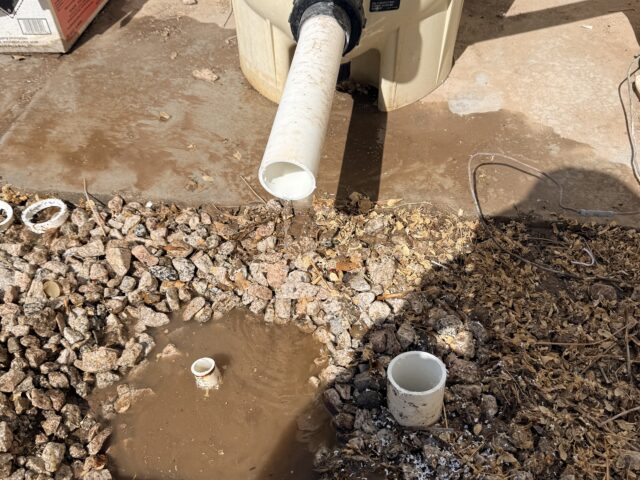
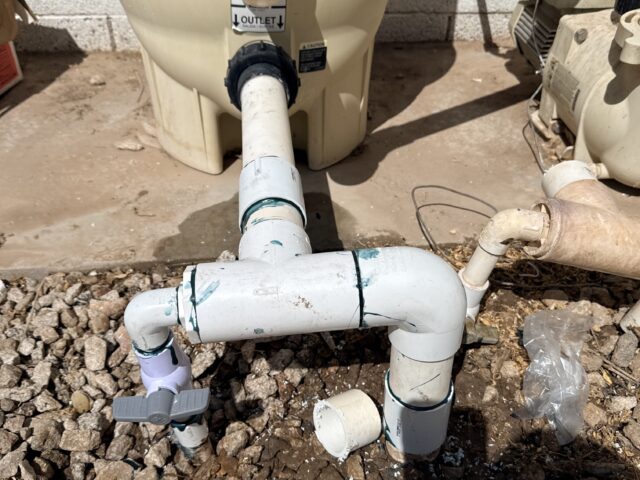
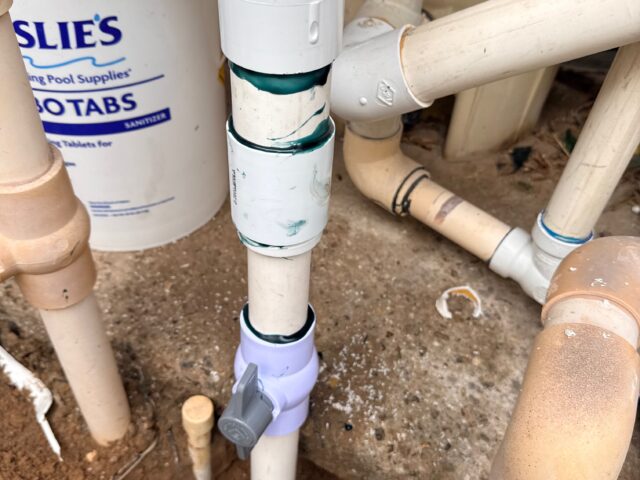
During the visit, we review the equipment related to the complaint and look for visible signs such as leaks, damaged fittings, unusual vibration, restricted flow, or a component that is not operating. We may also discuss recent changes, including a new sound, a loss of prime, reduced skimming, cloudy water, or a control that no longer follows its schedule. What can be assessed depends on the system and the condition present during the visit.
After the assessment, we explain what we found and provide an estimate for the recommended repair or next step. Some problems may be corrected with focused repair work. Others may involve equipment installation or a broader system issue. If more information is needed before a firm repair recommendation can be made, we explain that instead of presenting a guess as a finished diagnosis.
Prompt assessment can also help limit uncertainty. Continuing to run equipment that is leaking, overheating, losing prime, or making an unfamiliar sound may make it harder to separate the original problem from additional wear. If you notice a change, turn off equipment when continued operation appears unsafe and call with the details. We can discuss the appropriate next step and schedule the onsite assessment.